Lahij — The Copper Village
A medieval coppersmith village in a dramatic river gorge — craft traditions unchanged for over 1,000 years
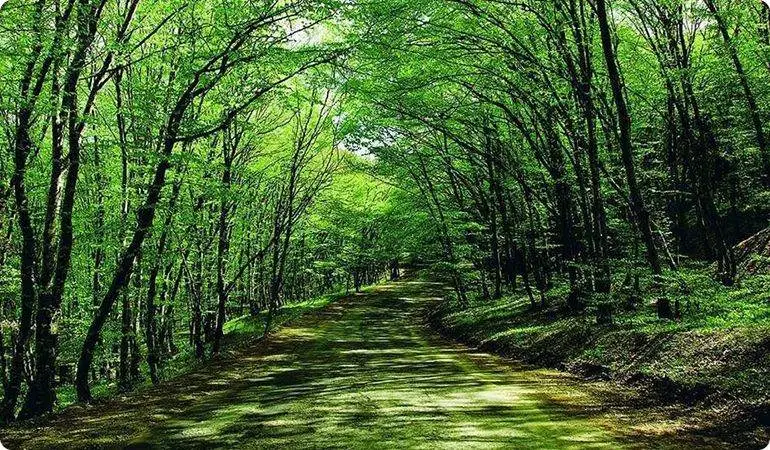
The forested mountain road leading toward Lahij
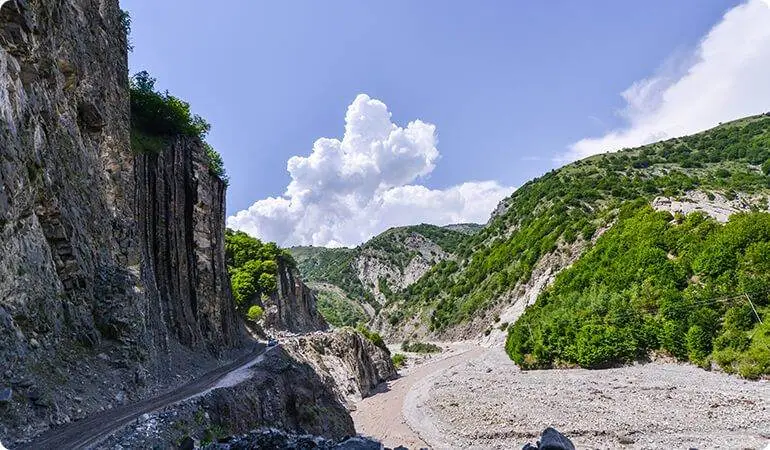
The mountain gorge road on the way to Lahij
About Lahij
Lahij is one of the most intact medieval craft villages in the Caucasus — a cobblestoned gorge settlement above the Girdimanchai River where coppersmiths have been working for over a millennium using techniques unchanged since the Silk Road era. The village speaks its own dialect (Tat, an ancient Iranian language), produces copper goods that appear in museum collections worldwide, and sits on a mountain road so dramatic that the drive is half the experience.
A brief history
Lahij's copper-working tradition is believed to stretch back over a thousand years, developing at this specific location due to its position along a branch of the historic Silk Road and the availability of copper ore in the surrounding mountains. At its historical peak, the village supported several hundred active workshops producing not just decorative items but essential tools, weapons, and household goods traded throughout the wider Caucasus region. The village's Tat-speaking community reflects an even older layer of history — Tat is an Iranian language predating the Turkic linguistic influence that shaped modern Azerbaijani, and its survival in Lahij specifically owes much to the village's relative isolation in its steep river gorge.
Today a smaller but genuinely functioning community of craftsmen maintains the copper tradition, working from the same stone workshops their families have used for generations. The techniques — hand-hammering, engraving, and shaping copper sheets into bowls, trays, and decorative pieces — remain entirely manual, without mechanised shortcuts, which is precisely why watching the process feels so different from a staged tourist demonstration. Beyond copper, Lahij's setting in the Girdimanchai River gorge offers genuine scenic reward in its own right, with the approach road winding through Ismayilli's wine country before climbing into increasingly dramatic mountain terrain.
Where to stay
Lahij has a small number of guesthouses within the village itself, offering basic but comfortable rooms for travelers who want to see the village at a quieter pace than the typical half-day stop allows. Most visitors, however, treat Lahij as a stop en route between Baku and Sheki, with proper hotel accommodation booked in Sheki for the night rather than Lahij itself.
Best things to do in Lahij: walk the single cobblestoned main street, step into working workshops and watch craftsmen engrave copper in real time, buy directly from the makers, visit the Lahij History Museum, and pause for tea at one of the small guesthouses. Most tours include Lahij as a half-day stop en route between Baku and Sheki.
Group tour rates are available for minimum . Standard group prices are shown only for fixed group departures; private tours, family tours, honeymoon tours, luxury tours and custom itineraries are quoted separately according to hotel class, travel dates and group size.