Lankaran
South Azerbaijan · 260 km from Baku · Caspian coast
About Lankaran
Lankaran is Azerbaijan's subtropical south — a humid, green region of tea plantations and citrus groves that feels markedly different from the dry Caspian lowlands around Baku or the alpine highlands of Sheki and Gabala. It sits close to the Iranian border and has a distinct culture shaped by centuries as a trading and agricultural centre.
A brief history
Lankaran's Talysh cultural identity gives the region a distinct character within Azerbaijan, reflecting historical Persian influence given its proximity to the Iranian border. The Talysh people maintain their own language and cultural traditions alongside the broader Azerbaijani national identity, adding a genuine layer of cultural distinctiveness that sets Lankaran apart from the more homogeneously Azerbaijani-identifying north of the country.
The region's subtropical climate supports citrus orchards and rice paddies rarely seen elsewhere in Azerbaijan, giving the countryside a visibly different agricultural character from the semi-arid Absheron Peninsula or the mountainous north — particularly striking during citrus harvest season, when groves visible from the coastal road offer a genuinely different landscape from anywhere else on a standard Azerbaijan itinerary. Travelers with 10 or more days sometimes extend a Lankaran visit into a dedicated southern circuit toward Astara and smaller Talysh mountain villages, a meaningfully different experience from the standard northern loop for those specifically seeking the country's quieter corners.
Where to stay
Lankaran city has a reasonable range of mid-range hotels along the coast and in the town centre, adequate for the one to two nights most itineraries allocate here, though the overall selection and luxury tier is more limited than Baku or Gabala.
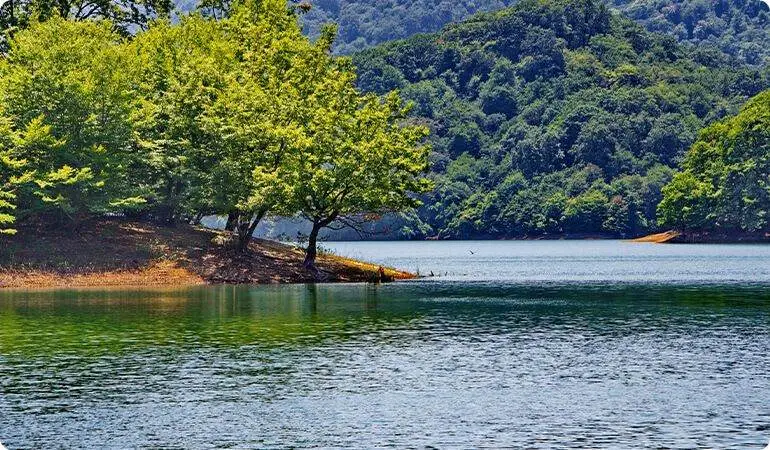
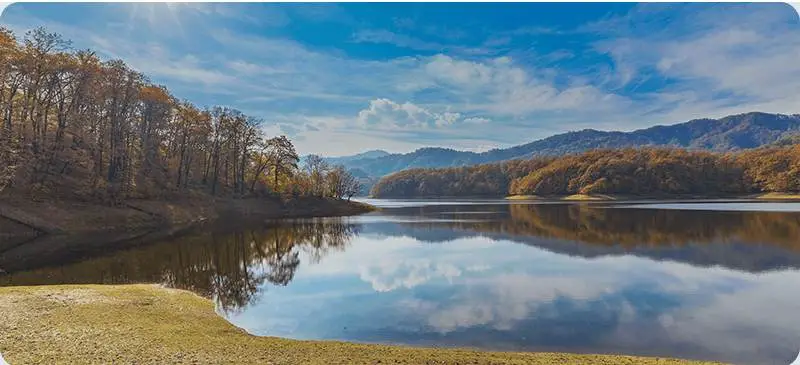
The real draw is Hirkan National Park, a UNESCO-recognised ancient forest with tree species that survived the last Ice Age — a genuine ecological rarity. Most visitors combine a Lankaran stop with a longer southern loop rather than visiting it in isolation, since the drive south is substantial.